Anyone who runs an online store in Switzerland will eventually reach a point where inventory management and shipping take up more time than marketing and product development. At that point—if not sooner—the question arises: Should you handle fulfillment yourself or outsource it to a fulfillment service provider? And if you do outsource it, to whom?
This guide explains what to look for when choosing a fulfillment provider in Switzerland, what questions to ask before signing a contract, and the most common mistakes online retailers make.
What does a fulfillment service provider do?
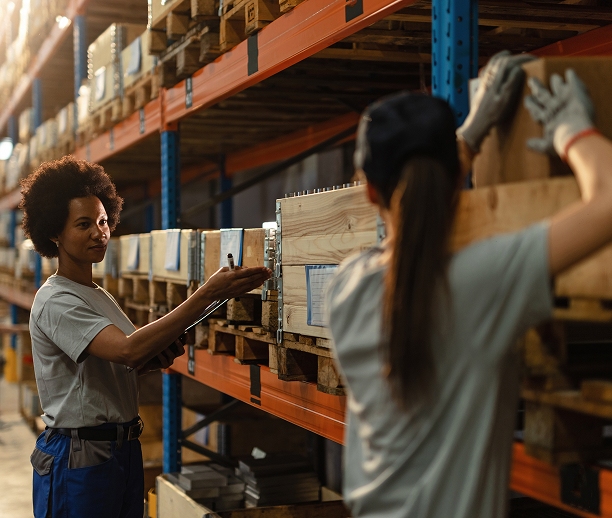
A fulfillment service provider (also known as a 3PL, or third-party logistics provider) handles every step from the receipt of your goods to their delivery to the end customer:
- Goods Receiving: Acceptance, Quantity and Quality Control, Entry into the Warehouse Management System
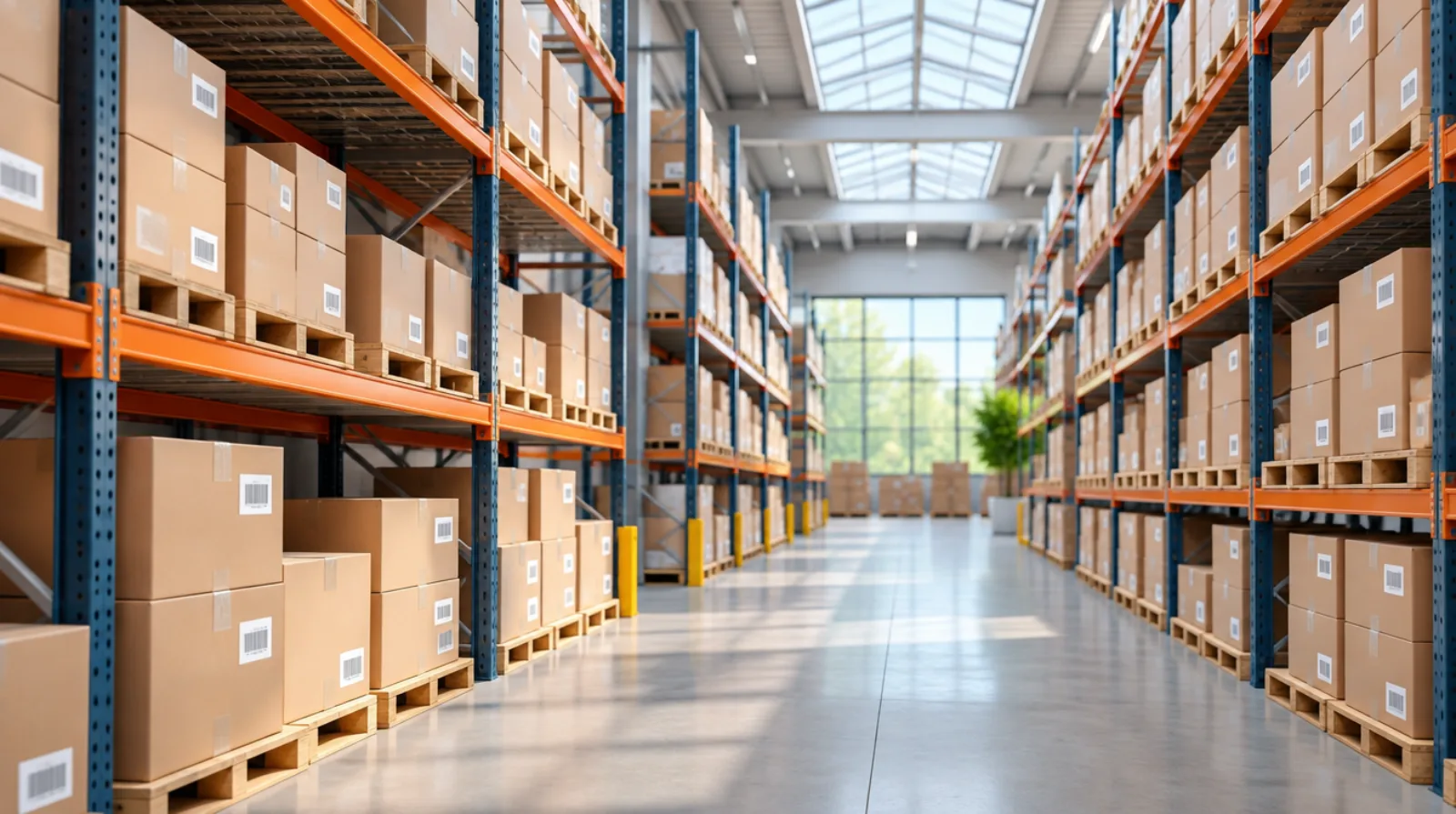
- Storage: Secure, well-organized storage with real-time inventory tracking
- Order Fulfillment: The ordered items are picked from the warehouse
- Packaging: ready to ship, with custom branding or inserts upon request
- Shipping: Delivery via carriers such as the Post, DHL, or DPD, including tracking
- Returns: Inspection of Returned Goods and Restocking
Orders are automatically transferred from your store to the warehouse via an interface. You sell; the service provider delivers.
9 Criteria for Choosing the Right Fulfillment Provider
1. Location in Switzerland
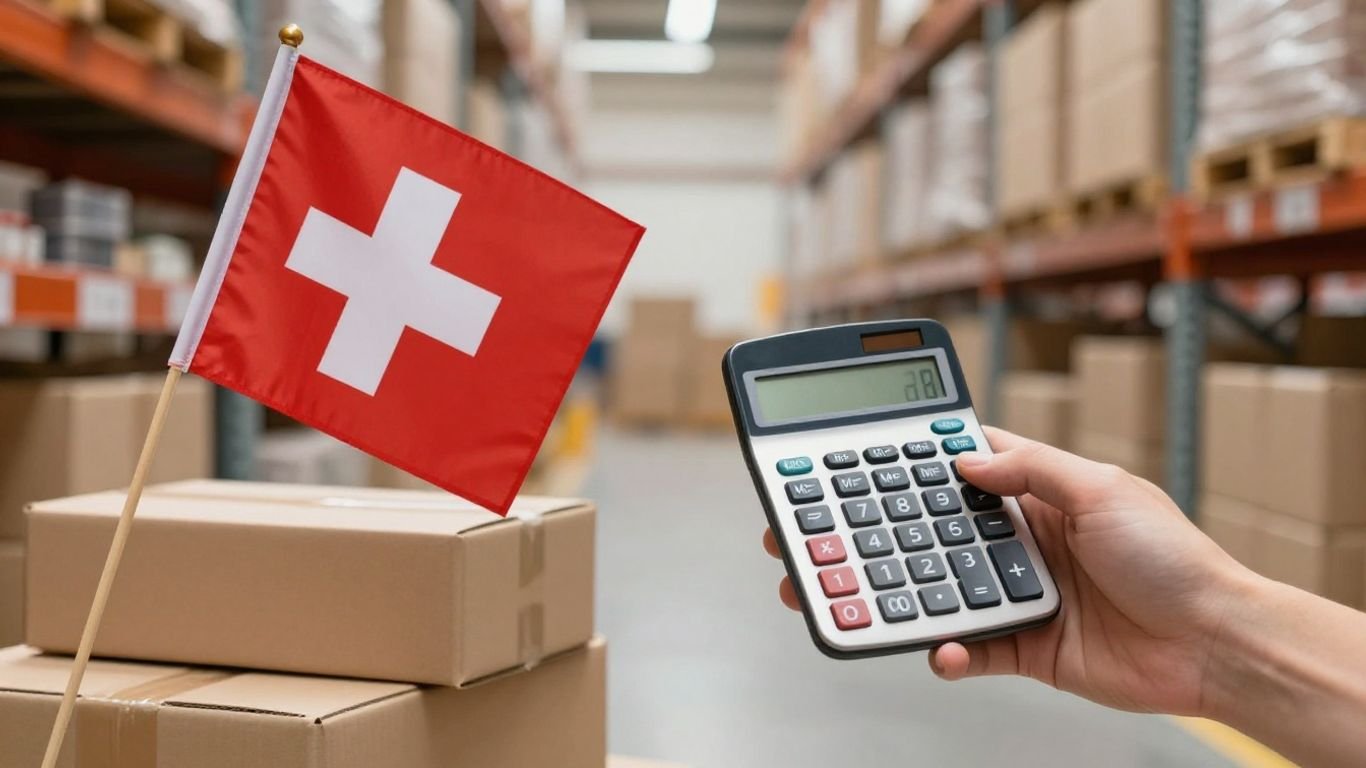
A warehouse in Switzerland means short delivery times, no customs formalities for your Swiss customers, and shipping at domestic rates. This is a major advantage, especially for retailers who have previously shipped to Switzerland from the EU: Your customers no longer pay customs clearance fees upon delivery, and packages usually arrive the next day.
2. Store Integration
Ask how your orders are processed by the warehouse. Good providers have ready-made integrations with popular e-commerce platforms such as Shopify, WooCommerce, or Amazon. Manual CSV imports or orders via email are prone to errors and slow down growth.
3. Cutoff Time for Shipping and Same-Day Shipping
By what time must an order be received in order for it to ship from the warehouse the same day? This cutoff time directly determines the delivery time you can promise your customers.
4. Carrier Selection
A provider that works with multiple carriers (e.g., the postal service, DHL, DPD) can choose the right option for each shipment: affordable for standard packages, fast for express shipments, and reliable for international shipments.
5. Inventory Transparency
You need to be able to see at any time how much of each item is in stock. A customer portal with real-time inventory, shipping status, and a returns overview should be standard—not an Excel spreadsheet sent by email once a week.
6. Pricing model with no hidden costs
Fulfillment prices typically consist of warehousing, storage space, picking and packing, packaging materials, shipping costs, and returns. Ask for a breakdown of all items and run the numbers using your actual order data. Pay special attention to minimum order quantities, setup fees, and long contract terms. Learn more in our article “Fulfillment Costs in Switzerland: What Does a 3PL Really Cost?”
7. Returns Processing
In the fashion industry in particular, a large proportion of shipments are returned. Find out how quickly returns are inspected and restocked in a condition suitable for resale, and whether you are notified of every return. For more information, see the article “Return Processing for Online Stores.”
8. Scalability
Can the provider scale up? Black Friday, Christmas, or a successful campaign can cause order volume to skyrocket in the short term. Ask specifically how they handle peak demand.
9. Personal Contact Person
If a package is delayed or a delivery is incorrect, you don't want to end up in a ticket queue. Having a dedicated contact person saves a tremendous amount of time in your day-to-day life.
Checklist: Questions You Should Ask Before Signing the Contract
- Which e-commerce platforms and marketplaces are directly integrated?
- By what time must orders be received to be shipped the same day?
- Which carriers do you work with?
- How do I view my inventory and shipments?
- What are the costs per order, and are there minimum order quantities or a minimum contract term?
- How long does it take to process a return?
- Are the goods insured in the warehouse?
- Can I customize my packaging (branding, inserts, gift wrapping)?
- Who is my point of contact, and how quickly do they respond?
The Most Common Mistakes When Choosing
Don't just look at the picking price. A low price per order isn't very helpful if storage, packaging, and returns are expensive. Always compare the total cost per order with your actual figures.
Thinking too big, too soon. Many large logistics providers are geared toward high volumes. For online stores with a few hundred orders per month, a flexible provider with no minimum order quantity is often a better fit.
Underestimating integration. Before you begin, clarify how product master data, inventory levels, and tracking numbers will be synchronized between the online store and the warehouse.
Fulfillment in Switzerland with EasyShip Fulfillment
EasyShip Fulfillment is a Swiss fulfillment center in Dielsdorf (ZH) for online stores, brands, and startups. We handle warehousing, order fulfillment, packaging, shipping, and returns—all under one roof:
- Integration with Shopify, WooCommerce, Amazon, and other systems
- Shipping via the U.S. Postal Service, DHL, and DPD; Same-Day Pick & Pack
- Real-Time Inventory and Shipment Tracking in the Customer Portal
- Rates based on usage, with no minimum volume and no annual commitment
- A Dedicated Point of Contact Instead of a Ticket System
Learn more about our e-commerce fulfillment services or request a no-obligation quote right away.
Frequently Asked Questions
How many orders does it take to make using a fulfillment service provider worthwhile?
There is no set limit. Many stores outsource fulfillment as soon as packing and shipping take more than one to two hours a day or their own warehouse becomes too small. With providers that don’t require a minimum order quantity, it’s possible to get started even with smaller volumes. Learn more: Fulfillment for small online stores.
What is the difference between fulfillment and warehouse logistics?
Warehouse logistics primarily involves storing and managing inventory. Fulfillment goes a step further and covers the entire order process, from order placement through delivery to the end customer and returns.
As a foreign online store, can I use a warehouse in Switzerland?
Yes. A Swiss warehouse is particularly appealing to retailers from the EU because goods are imported in bulk, and your customers receive their orders without customs duties or delays. Learn more in the article “Selling to Switzerland: Customs, VAT, and Shipping.”
Passende Leistung